Planning the Electrical for a New Build in Yakima County
The decisions you make before the walls close up are the cheapest ones you'll ever make about your electrical system.
October 7, 2026 · 4 min read
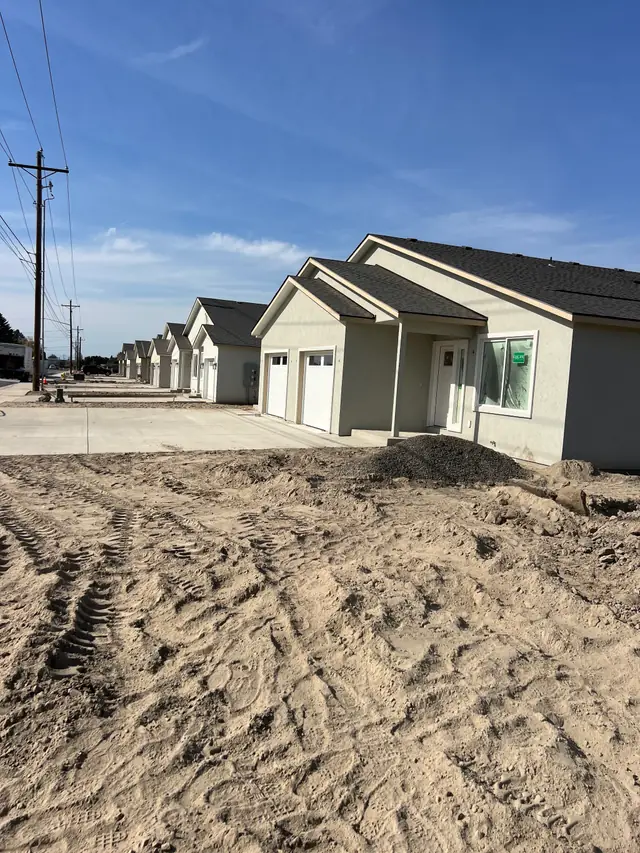
On a new build, the best time to think about electrical is before the framing is done. Once the walls are insulated and the drywall is up, every circuit you forgot becomes a repair job instead of a plan. Adding a circuit during rough-in is a matter of running a wire. Adding it afterward can mean opening finished walls.
We've wired new homes and multi-family builds around Yakima County, and the same questions come up every time. Here's the list we like to settle with builders and owners before rough-in starts.
Start with the loads, then size the panel
Panel size follows the load, not the other way around. A load calculation adds up what the house will actually need: heating and cooling, water heater, kitchen appliances, dryer, well pump if you have one, and anything big you plan to add. The result tells you how large the service and panel need to be and how many circuits you'll want. We do load calculations and panel sizing as part of new construction work, and we work with architects, builders, and homeowners to get it right.
Tell your electrician now about things you might add in a few years. Leaving a little room in the panel and a conduit path for a future circuit costs very little today. Squeezing them in later usually costs a lot more.
The big-ticket circuits to decide early
- HVAC or mini-split equipment, including where the outdoor unit and its disconnect will sit.
- Water heater, and whether it's standard, tankless, or a heat pump model, since they have different electrical needs.
- Well pump, including the run from the panel or service to the pump.
- A generator transfer switch or inlet, if you want backup power.
- An EV charger circuit in the garage or on an exterior wall, even if you don't own an electric vehicle yet.
- Shop, barn, pool, or outbuilding feeds that need their own circuits or a separate panel.
One of our customers, Mitch Hill, had us wire a new house where the list was long: "JJ & S electric ran the wiring and installed the electrical panel, all outlets, all lighting and the generator transfer switch for my house (new construction). They also wired the well pump, HVAC, water heater and all of the appliances." That's a typical scope for a full build, and it only goes smoothly when those decisions are made up front.
Rural service runs and trenching
Out in the county, a lot of builds sit a long way from the nearest pole or transformer. How power gets from the utility to your meter, and from your meter to your panel, affects cost and schedule, so plan it early. Underground runs need a trench and conduit, and the trench has to be open and ready when the electrician needs it, not after the excavator has left. Long runs also bring up wire size, since voltage drops over distance, and that's something your electrician should size for your specific property.
Talk with the utility early, too. Their scheduling and requirements for the service connection can set your whole timeline, and it's better to hear it before you pour the slab.
Winter builds are real here
Construction schedules slip, and in Yakima County that often means the electrical lands in winter. Mitch's build is a good example. In his words: "The construction got pushed into the winter and much of the electrical was completed during terrible conditions (2ft of snow, single digit temps)." He also noted his property is way out there, and that the road to get to it is more like a 4x4 trail in the winter.
If your schedule might drift into cold weather, plan for it. Keep access clear, have the site ready for the crew, and tell your electrician ahead of time if the road gets rough. Frozen ground and snow make trenching harder, and cold affects how cable and conduit handle, so a contractor who's done winter work will tell you what to expect.
Multi-family and larger builds
On a multi-family project, the electrical gets more involved: more meters or services, more panels, and a lot of repetition that has to be done the same way every time. Jaime A, a builder who hired us, wrote that we "Installed all the electrical for a multi-family and a home build." On projects like these, clear communication with the builder matters as much as the wiring, because the electrician is working between framers, plumbers, and inspectors.
Jesus Arceo said we "did our electrical work from top to bottom" on his house, and then came back later to put in a Tesla charger. That's the other reason to plan ahead. A home built with the charger circuit in mind makes that second job simple.
If you're planning a build in Yakima County and want to talk through the electrical before the framing starts, call JJ & S Electric at (509) 504-5504 or use the contact page. Estimates are free, and an early conversation usually saves money later.
JJ & S Electric LLC, (509) 504-5504
Call (509) 504-5504More articles
How to Tell if a Circuit Breaker Is Going Bad
A breaker that trips is usually doing its job, but sometimes the breaker itself is the problem, and the signs are easy to spot once you know them.
Tripping Circuit Breaker Troubleshooting: What to Check First
Breakers trip for a handful of reasons, and a few careful minutes of checking can tell you which one you're dealing with.